Convenience and control belong to different custody models. Custodial services and private wallets place responsibility for recovery, authorization and destination compatibility in different hands. Identify key control, recovery duties and destination restrictions.
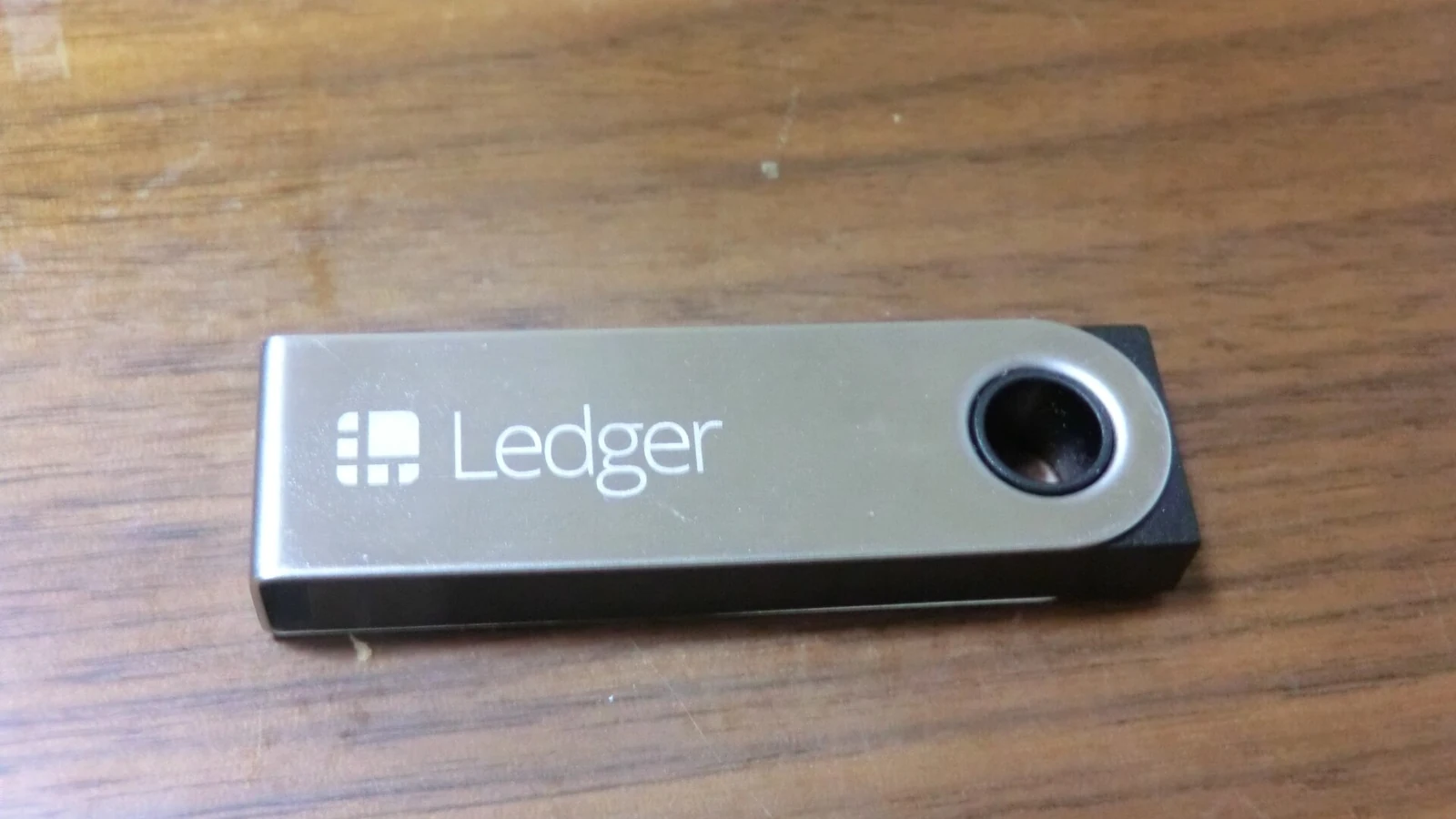
A physical Ledger hardware wallet illustrates user-controlled custody and recovery obligations.
Keeping tokens on an exchange or wallet
A USDT user must choose between leaving tokens at an exchange and transferring them to a personally controlled wallet. The exchange provides familiar sign-in and recovery workflows, while self-custody gives direct control of private keys. Neither model is automatically best for every person or transaction; they move responsibility to different places.
Who controls authorization and recovery
Custodial accounts depend on a provider for access, withdrawals and account restrictions. Self-custody depends on the holder's ability to protect keys, recovery phrases, devices and transaction details. The exchange may limit certain destinations or networks. A personal wallet may offer greater transaction control but cannot recover from a lost seed phrase in the ordinary way. The appropriate comparison starts with who can authorize a transfer and who can restore access.
Choosing which party controls recovery
Consider a user who stores USDT at an exchange because password recovery is familiar, then wonders whether a personal wallet would be safer. The choice involves two different models of control. A custodial provider may hold keys and require account verification before some withdrawals. A self-custodial wallet places signing power and recovery responsibility with the holder. Neither label says what happens if a device is lost, a seed phrase is exposed or the recipient supports only a different chain. The first useful step is to map who can authorize transactions and who can restore access.
On the custodial side, inspect authentication factors, withdrawal allowlists, recovery procedures, destination restrictions and the available account history. The person controlling the signing keys also influences whether a completed USDT payment can be reversed, since an irreversible transfer cannot simply be cancelled by a messenger. On the personal-wallet side, verify how recovery material is created, stored and tested without disclosing it to anybody. Hardware devices can reduce some exposure, but the user still needs to inspect the address and network on every transfer. A wallet interface may offer a convenient username without changing the underlying key model, so do not infer custody solely from the appearance of the application. Write down what recovery would require in each case before assets are moved.
The decision depends on frequency of use, technical confidence and the consequences of a mistake. Someone using a small transactional balance may prioritize simplicity and a clear evidence trail, whereas someone holding substantial long-term assets may place greater weight on independent control of keys. A separate issue is the trustworthiness of any betting site that might receive a crypto deposit. A well-secured wallet cannot validate an unknown operator, and a reputable interface cannot fix a misdirected blockchain transfer. Evaluate custody and recipient identity separately.
Custody questions for a USDT holder
- Identify the party controlling signing keys for each option. A login password is not necessarily equivalent to possession of blockchain keys.
- Review account recovery and two-factor controls for custodial providers, and secure offline recovery procedures for self-custody.
- Check which chains, assets and withdrawal limits each environment supports before assuming one can replace the other.
- Plan where the funds need to go next and what record the recipient will require. Avoid unnecessary transfers purely to switch wallet type.
Why labels do not reveal key ownership
A wallet interface can look self-custodial while the recovery and signing process still depends on a service. Conversely, owning a seed phrase is not useful if it is stored where phishing malware can read it. Security depends on the actual control model and habits, not the marketing term on the app store.
Wallet security cannot verify a betting site
Custody choices should be made before an urgent transfer, when there is time to test recovery access and destination support. Convenience is meaningful only if the user understands who can restore the funds.
Choose based on control and recovery
Choose custody based on recovery needs, technical confidence and destination compatibility. When a betting site requests a crypto payment, keep the wallet decision separate from the site's credibility and the rules governing any future withdrawal.
A general reader checklist for verifying betting-site trust and payment conditions is available at https://4xbetnet.com/.
#USDTSafety #ExchangeCustody #Verification